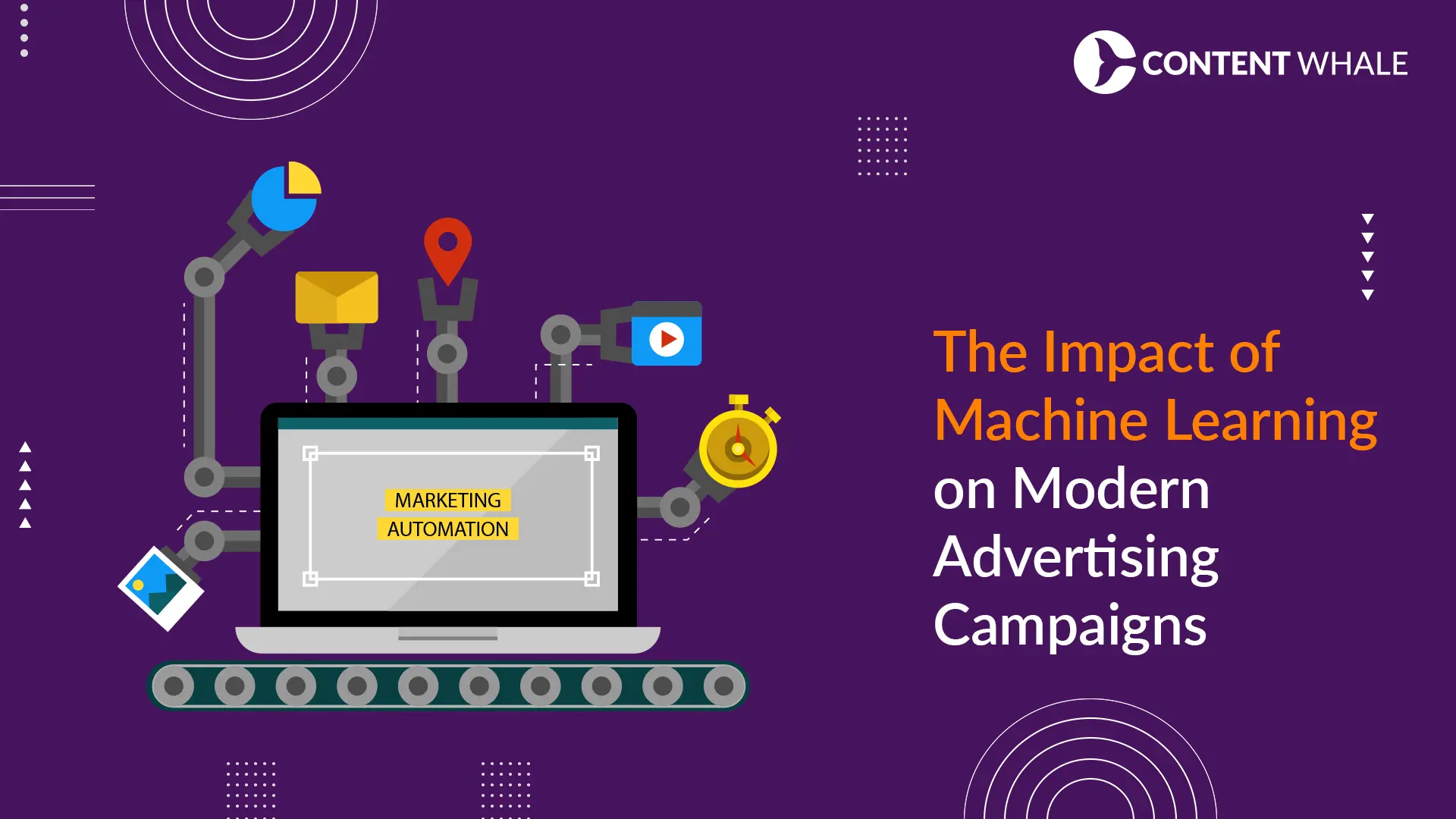
You scroll through social media late at night, and an ad catches your attention. The colors match your preferences. The product solves a problem you researched yesterday. The messaging sounds like your thoughts.
This isn’t coincidence, it’s AI ads at work.
The advertising industry has entered a new phase where artificial intelligence analyzes consumer behavior at unprecedented scale. Brands no longer rely solely on demographic segments. Instead, AI systems create thousands of unique ad variations tailored to individual psychological profiles, emotional states, and real-time context.
Research confirms this approach delivers measurable results, but it also raises critical questions about privacy, consent, and ethical boundaries. This guide will explore how machine learning reshapes advertising effectiveness, examine the privacy concerns it creates, and outline best practices for responsible implementation.
How AI Ads Work?
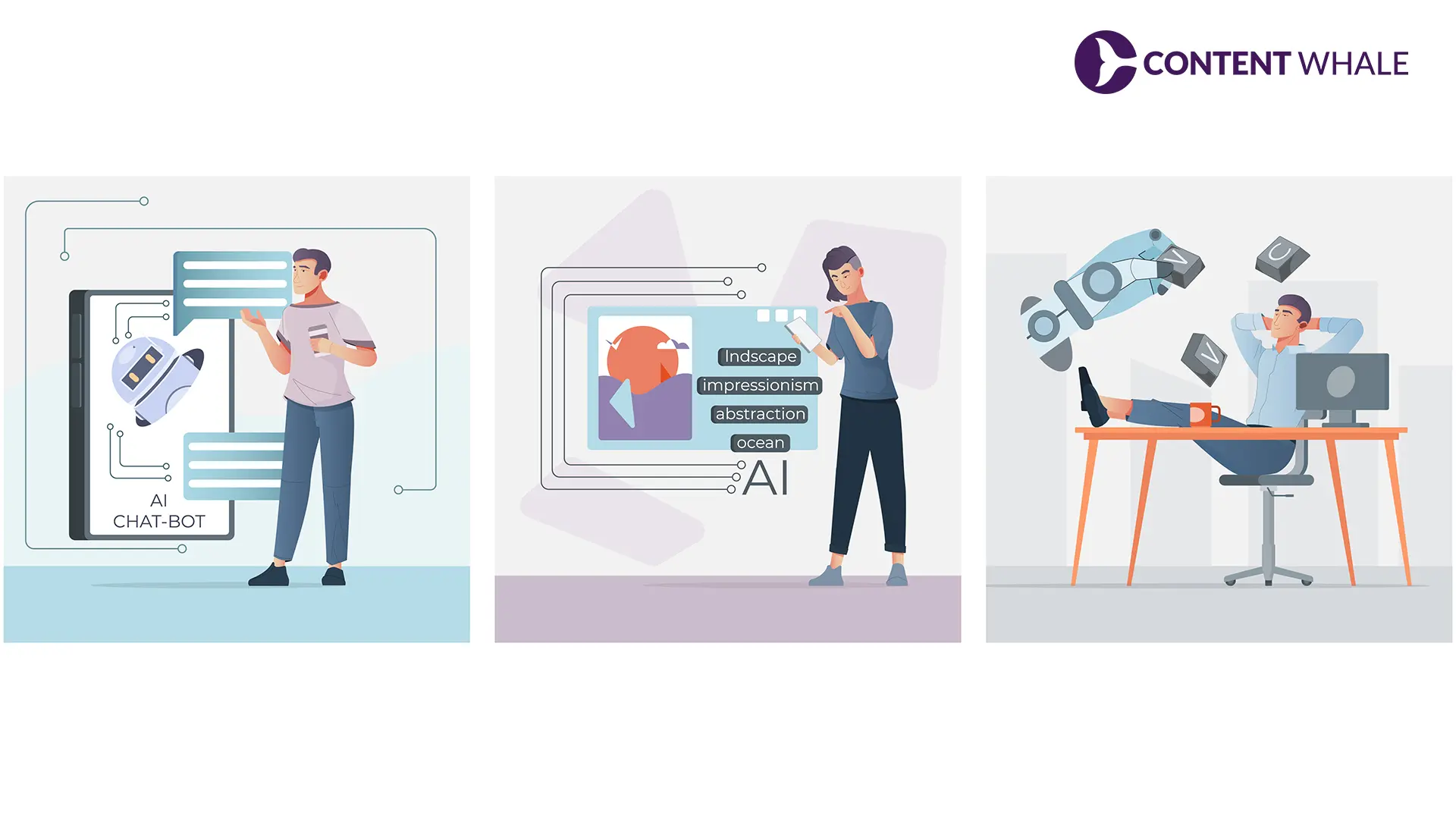
Machine Learning Behind Ad Targeting
Artificial intelligence advertising operates through machine learning algorithms that process consumer data from multiple touchpoints. These systems analyze website behavior, purchase history, social media interactions, and email engagement to build comprehensive user profiles.
Unlike traditional demographic targeting, ads creative AI identifies subtle behavioral patterns that predict purchase intent with remarkable accuracy.
Research published in the Journal of the Academy of Marketing Science demonstrates that perceived personalization significantly enhances both perceived relevance and perceived usefulness of advertisements (Source). This approach enables brands to serve content that matches not just what consumers want, but when and how they want to receive it.
Key capabilities of AI-powered advertising systems include:
- Natural language processing that analyzes consumer word choices
- Computer vision examining visual preference patterns
- Predictive modeling forecasting purchase probability
- Automated content generation at scale
The result is advertising that feels less like interruption and more like relevant recommendation. These algorithms continuously refine their understanding of user preferences through each interaction.
Real-Time Bidding Systems
Programmatic advertising optimization represents AI’s most widespread application in digital marketing. When a user visits a website, AI algorithms instantly analyze their profile and determine the value of showing them a specific ad.
This entire process occurs in milliseconds through real-time bidding systems.
The automated auction considers hundreds of factors: user demographics, browsing history, device type, time of day, current location, and predicted conversion probability. Research indicates that programmatic advertising now accounts for over 80% of all digital display ad spend globally, with machine learning algorithms making billions of optimization decisions daily (Source).
These systems continuously learn from performance data. If morning ads perform better for a specific audience segment, the algorithm automatically shifts budget allocation.
If certain creative variations generate higher engagement, those versions scale while underperforming content gets phased out. This self-optimizing capability distinguishes AI from previous automation technologies.
Measurable Impact on Performance

Conversion Rate Improvements
Academic research provides concrete evidence that AI ads deliver superior results. A study analyzing 402 users of digital platforms who encountered AI-driven personalized advertisements found that perceived personalization significantly enhances both perceived relevance and perceived usefulness.
This translates directly to conversion rate optimization improvements (Source).
Performance improvements documented in peer-reviewed research:
- Conversion rates increase 19% to 30% versus traditional approaches
- Click-through rates improve up to 19% in field settings
- Customer engagement metrics show 131% increase in AI-powered campaigns
- Purchase intention rises significantly with personalized content
Multiple peer-reviewed studies confirm these findings across different industries and campaign types (Source). The mechanism behind these improvements involves matching AI ads to user intent at precisely the right moment in the decision-making process.
AI systems detect subtle signals indicating purchase readiness: repeated product views, comparison shopping behavior, abandoned carts. They then serve targeted messages addressing specific objections or highlighting relevant benefits.
Research published in PMC’s database confirms that AI personalization enhances customer engagement through data-based approaches that deliver personalized messages through specific channels at optimal moments (Source).
ROI Enhancement
Beyond conversion rates, AI ads deliver substantial advertising ROI improvement through operational efficiencies. Brands using generative AI tools report reducing content production time by up to 60% while increasing the volume of creative assets they can test.
This productivity gain alone justifies implementation costs for many organizations.
Predictive analytics advertising capabilities allow marketers to forecast campaign performance before launch. Academic research examining AI in advertising demonstrates that these predictive models enhance advertisement efficacy and user purchase conversion rates through deep learning and reinforcement learning techniques (Source).
ROI benefits of AI-powered advertising:
- Cost per acquisition decreases through precise targeting
- Budget allocation optimizes automatically toward best performers
- Creative testing velocity increases dramatically
- Operational costs decline while output volume grows
Research indicates companies implementing AI across marketing functions report average ROI increases between 25-44%, depending on industry and implementation maturity. These gains stem from both revenue growth and cost reduction across the advertising value chain.
Privacy Challenges

Consumer Data Privacy Concerns
The effectiveness of ai ads creates an uncomfortable paradox: the same data collection that enables relevance also triggers consumer data privacy concerns. According to research from the International Association of Privacy Professionals, 81% of consumers believe information collected by AI companies will be used in ways people are uncomfortable with (Source).
A 2024 study found that 63% of consumers were concerned about the potential for generative AI to compromise individual privacy by exposing personal data to breaches or through other forms of unauthorized access or misuse (Source).
These statistics reveal a fundamental trust deficit that threatens long-term adoption of personalized advertising.
The concern extends beyond data breaches to include psychological manipulation. Consumers question whether hyper-targeted artificial intelligence advertising crosses ethical boundaries by exploiting emotional vulnerabilities, particularly around sensitive topics like health, finances, or political views.
Primary consumer data privacy concerns include:
- Unauthorized collection of personal information
- Lack of transparency about data usage
- Potential for security breaches and leaks
- Psychological impact of hyper-targeted messaging
Transparency remains a critical issue. Many consumers don’t understand how their data gets collected, what information companies retain, or how algorithms use that data to make targeting decisions.
This opacity breeds distrust and skepticism about brand intentions.
Regulatory Compliance
Governments worldwide are responding to privacy concerns with increasingly stringent regulations. The General Data Protection Regulation (GDPR) in Europe and California Consumer Privacy Act (CCPA) in the United States establish frameworks requiring explicit consent, data access rights, and deletion capabilities.
Research on data security and privacy concerns in AI-driven marketing emphasizes that addressing these issues involves providing privacy insurance, improving technology readiness, enforcing security regulations, and building regulatory frameworks (Source).
At least 10 U.S. states added new AI regulations inside broader consumer privacy laws during 2024, with more anticipated in coming years. These regulations create compliance complexity for advertisers operating across multiple jurisdictions, each with distinct requirements around consent, data retention, and behavioral targeting algorithms.
Traditional privacy laws focused on data collection and storage, but AI raises questions about algorithmic decision-making and automated profiling. Businesses must monitor regulatory developments closely and build flexible compliance systems that can adapt to changing requirements.
Advertising technology associations are developing codes of conduct that establish best practices beyond legal minimums. These initiatives aim to restore consumer trust through voluntary commitments around transparency and ethical use of AI in targeting decisions.
Four Key Pillars of AI Advertising
Computational advertising research identifies four foundational elements that comprise effective ai ads strategies. Each pillar addresses a distinct aspect of campaign development and execution.
Targeting precision represents the first pillar, focusing on identifying the most relevant audiences for specific ad content. Machine learning algorithms analyze demographic data, behavioral patterns, and contextual signals to predict which users are most likely to engage with particular messages.
This capability moves beyond simple demographic segments to psychographic and behavioral profiles.
Personalization depth constitutes the second pillar, addressing how messages adapt to individual preferences and situations. AI systems customize creative elements including imagery, messaging tone, color schemes, and call-to-action phrasing.
Research examining AI in advertising confirms that personalization significantly enhances perceived relevance and usefulness (Source).
Content creation automation forms the third pillar, using natural language generation and computer vision to produce ad variations at scale. Rather than human designers creating dozens of versions manually, AI generates thousands of permutations optimized for different audience segments.
This capability dramatically increases testing velocity and creative diversity.
Campaign optimization represents the fourth pillar, encompassing budget allocation, bid management, and performance analysis. AI continuously evaluates customer engagement metrics across channels and placements, automatically shifting resources toward highest-performing combinations.
This real-time optimization maximizes efficiency and ensures budgets get deployed where they generate strongest returns. These four pillars work in concert to create AI ads systems that are more responsive, relevant, and effective than traditional approaches.
Implementation Best Practices
Successful AI ads implementation requires balancing technological capability with ethical responsibility. Organizations should prioritize transparency in data collection practices, clearly communicating what information they gather and how they use it.
This transparency builds trust and gives consumers agency over their participation in personalized advertising ecosystems.
Consent-driven personalization represents a crucial best practice. Rather than collecting maximum data by default, brands should adopt opt-in models where consumers actively choose to share information in exchange for more relevant advertising experiences.
This approach aligns with regulatory requirements while demonstrating respect for user autonomy.
Best practices for responsible AI advertising implementation:
- Implement clear data collection disclosures
- Provide easy opt-out mechanisms
- Test personalization levels to avoid creepiness factor
- Maintain human oversight of automated systems
- Use privacy-preserving technologies
Ads creative AI campaigns should incorporate human oversight and review processes. While algorithms excel at pattern recognition and optimization, humans provide essential judgment about brand appropriateness, cultural sensitivity, and ethical boundaries.
Finally, artificial intelligence advertising must include privacy-preserving technologies. Techniques like federated learning, differential privacy, and on-device processing enable personalization without centralizing sensitive user data.
These approaches satisfy both performance goals and privacy commitments.
How Content Whale Can Help
Content Whale’s expert content strategists specialize in creating SEO-optimized blog content that balances technical depth with reader engagement. Our team understands the nuances of AI ads and can develop comprehensive articles backed by academic research, proper source citations, and keyword optimization strategies.
We deliver content that performs in both traditional search engines and AI-powered platforms, helping your brand establish thought leadership in the digital marketing space.
Conclusion
AI ads represent a fundamental shift in how brands connect with consumers. Research confirms that personalized campaigns deliver measurable results, conversion rates improve by up to 25%, while engagement metrics show significant increases across platforms.
The most successful brands will be those that leverage AI’s targeting precision while maintaining clear boundaries around data usage. The future belongs to marketers who view artificial intelligence advertising not as a tool for manipulation, but as a means to create more relevant, respectful connections with their audiences.
Ready to transform your digital advertising strategy with AI-powered personalization? Contact Content Whale today for expert content marketing solutions that drive results while maintaining ethical standards.
FAQ
Q1: How do AI ads actually work?
AI ads use machine learning algorithms to analyze user behavior, demographics, and engagement patterns. These systems process vast datasets in real-time to predict which ad content, messaging, and timing will resonate with individual users. The technology powers programmatic advertising platforms that automatically adjust campaigns based on performance metrics.
Q2: What conversion rate improvements can businesses expect from AI-powered advertising?
Research published in peer-reviewed journals indicates AI-driven personalized campaigns generate conversion rates up to 25% higher than traditional broad-targeting approaches (Source). The exact improvement varies by industry, audience segment, and implementation quality, but most businesses see measurable ROI increases within the first campaign cycles.
Q3: What are the main privacy concerns with AI ads?
Consumer surveys reveal 81% of people believe AI companies will use their information in uncomfortable ways (Source). Primary concerns include unauthorized data collection, lack of transparency about data usage, potential security breaches, and the psychological impact of hyper-targeted messaging. Regulatory frameworks like GDPR and CCPA address some issues, but consumer trust remains fragile.
Q4: How can businesses implement AI advertising ethically?
Ethical AI advertising requires transparent data collection practices, clear consent mechanisms, and respect for user preferences. Businesses should communicate what data they collect and how they use it, provide opt-out options, avoid manipulative tactics, and comply with privacy regulations. Studies show consumers are more likely to engage with brands that demonstrate commitment to data protection and transparency (Source).
Q5: What role does machine learning play in programmatic advertising optimization?
Machine learning algorithms optimize programmatic advertising by analyzing historical campaign data, predicting ad performance, and automatically adjusting bid strategies in real-time. These systems identify patterns invisible to human analysts, enabling precise audience targeting across multiple channels. Research demonstrates machine learning-driven campaigns can identify up to 15 times more actionable audience segments than conventional methods, significantly improving targeting accuracy and campaign ROI.