



 BFSI
 HealthCare
 Edtech
 SaaS
 Automobile
 Travel

Reviewed by Nikhil Choudhary, SEO Specialist, Content Whale
Writing a headline that earns clicks comes down to three decisions: promise one specific benefit, mirror the phrase a reader types into search, and test two versions before you publish.
Research on 105,000 headlines shows that wording alone shifts click-through rates. This guide explains the evidence, the tools and the testing method we use at Content Whale.

Understanding the Power of Headlines
A headline decides whether a page gets read at all. Most readers never get past the title. Four findings show how much weight those few words carry, and each one changes how we write headlines for clients at Content Whale.
1. The Psychological Impact of Negative Words
Robertson and colleagues ran a randomized study of 105,000 Upworthy headlines and 370 million impressions. Each negative word raised the click-through rate by 2.3%, while each positive word lowered it by 1.0% (Source).
The data covers news headlines tested between 2013 and 2015, so test the effect on your own audience before you rewrite every title. A problem-led line such as “Five Mistakes That Cost You Organic Traffic” borrows the same pull without sounding alarmist.
2. How Readers Scan a Results Page
In a 1997 study, Nielsen Norman Group found that 79% of test users always scanned a new page and only 16% read word by word, and that versions of the same site scored 58% higher on measured usability with concise text, 47% higher with a scannable layout and 124% higher when all three writing improvements ran together (Source).
Readers pick out single words. Put the benefit and the keyword in the first words.
3. Optimal Headline Length
Google sets no character limit for title elements and cuts long titles to fit the device width (Source). We keep every meta title under 60 characters and place the main keyword in the first half, so the promise stays visible on a phone.
4. Effective Headline Formats
How-to lines, numbered lists and questions each state the benefit up front. Searchers phrase their problems the same way: queries such as “how to write headlines that increase traffic” are how-to questions, so a how-to title matches them directly.
Pick one format, add the target keyword and check the result against the length guidance above.
| Format | Weak version | Stronger version |
| How-to | Headline Tips | How to Write Headlines That Get Clicks |
| Number list | Ways to Save Energy | 10 Easy Ways to Lower Your Energy Bill |
| Question | Thoughts on Checkout Speed | Why Is Your Checkout Page Losing Sales? |
| Problem-led | SEO Errors | 5 Mistakes That Cost You Organic Traffic |

Key Elements of Engaging Headlines
Engaging headlines share five traits. You can check each one on a draft in under a minute, so writing a strong headline becomes an editing pass you run before every publish.
1. Use Power Words to Evoke Emotion
Power words trigger a quick emotional response. Terms such as “Proven”, “Free”, “Mistakes” and “Checklist” signal either a concrete payoff or a cost the reader wants to avoid. Pair one power word with a specific noun, because vague superlatives read as hype and the same Nielsen Norman Group research found that readers dislike promotional wording.
2. Clarity and Relevance Are Essential
An SEO headline must match the query a reader would type and the content that follows. Treat the title as a one-line summary of the page. A headline that overpromises costs trust faster than a plain one, and the reader leaves after the first paragraph, so describe exactly what the page delivers and nothing more.
3. Balance Creativity with SEO
Creative wording earns the click, and the keyword earns the impression. Write the plain version first with the keyword near the front, then add one creative element such as a number, a question or a power word. Stop there. Google warns that repeating terms in a title does not help readers and can make results look spammy.
4. Create Emotional Connections
Appeal to one feeling per headline: excitement, worry, relief or curiosity. “Escape to These Quiet Beaches Before the Summer Crowds” plays on desire, while “The Hidden Sugar in Your Weekday Breakfast” plays on concern. Both name the subject, which keeps the emotion tied to the topic.
5. Include Numbers
A number promises a defined amount of reading. “10 Easy Ways to Lower Your Energy Bill” and “3 Fixes for Slow Checkout Pages” both tell the reader what to expect before the click. In our drafts we prefer exact figures to round ones, since an exact figure signals that someone counted, and we confirm every figure against its source before the title goes live.
Tools and Techniques for Writing Better Headlines
1. Overview of Popular Headline Analysis Tools
CoSchedule Headline Analyzer and Sharethrough Headline Analyzer both score a draft on word balance, readability and emotional tone. Use the score as a second opinion. Compare it with the titles that already rank for your keyword, and let your own click data win whenever the tool and the audience disagree, because neither tool sees who actually reads your blog.
2. Techniques for Incorporating Keywords Naturally
Headlines that drive traffic start with the words people actually search. Search Console shows the exact queries that already bring impressions to a page, and Google Keyword Planner shows search volume for keywords you do not rank for yet.
Place one keyword near the start of the title, and read the title aloud to check it still sounds natural. Never repeat the same keyword in one title.
3. Optimization Through Testing: Case Studies
In the Jidoka Technologies case study, we assigned each of the 120 blog posts a keyword cluster and funnel stage before drafting, so every title started from a real query. Six months later the site ranked for 677 keywords, 33 of them in the top three, and held position 1 for “machine vision systems”.
Titles were one part of a larger rebuild that also included a 23-page site architecture and 760 backlinks. Our blog writing services apply the same order to every title: research the query first, then write.
Boosting Click-Through Rates with Compelling Titles
1. Strategies for Writing Headlines That Encourage Clicks
Open with an action verb that matches the reader’s task: “Fix”, “Cut”, “Build” or “Choose”. A verb tells the reader what they will do after the click. Avoid verbs that promise more than the page delivers. Use one verb per title.
2. Importance of Addressing Reader Intent and Curiosity
Answer “What is in it for me?” inside every headline, using the words a reader would use to describe the problem. “How to Block Third-Party Cookies in Every Web Browser” names a task, a scope and a result in nine words, so a reader with that exact problem knows the page fits before reading a single line of the article and clicks without needing further persuasion.
3. Techniques for A/B Testing Headlines
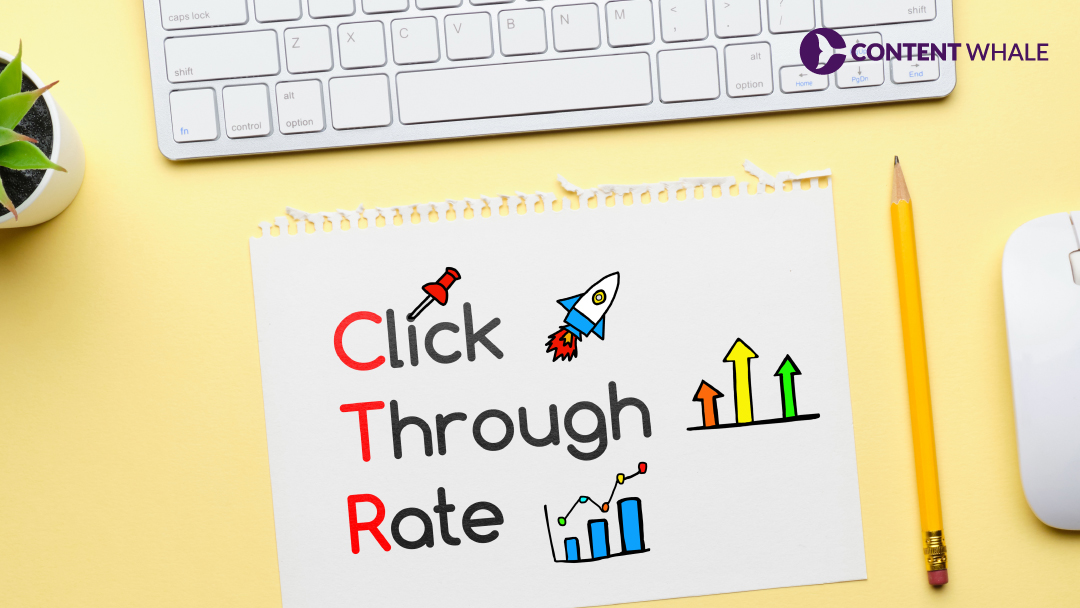
Change one element per test, such as the number, the verb or the keyword position. Run both versions on the same channel for the same period, then compare click-through rates. For search titles, record the page’s click-through rate in Search Console before the change, update the title, and compare the same query a few weeks later.
Worked example: a page gets 10,000 impressions a month at a 1.5% click-through rate, which is 150 clicks. If a new title lifts the rate to 2.5% on the same impressions, the page earns 250 clicks, 100 more a month, without any change in ranking.
4. Real-Life Examples of Headlines That Increased Click-Through Rates
The Upworthy data behind the Nature study came from a newsroom where editors commonly had to propose 25 different headlines, and only the most promising ones went into experimental testing. The best of those 25 options then ran against live traffic.
Conclusion
Headlines that drive traffic combine a clear benefit, the reader’s own search wording and evidence from a test. Start with the query. The research above gives three working rules for writing headlines: lead with the keyword and benefit, keep the title short enough to display in full, and test one change at a time against the same audience.
Our clients apply the same approach to long-term programs. KnowledgeHut grew from 278,000 visitors in April 2022 to more than 2 million in September 2023 on keyword-led informational content. Contact the Content Whale team for a headline review.
FAQs
Where should you start when writing a headline?
Find the exact phrase people use when searching in Search Console, then add a specific benefit and keep the headline to fewer than 60 characters. Then check your draft against the five traits listed in this guide.
What is an engaging headline?
An engaging headline states a specific benefit in plain language that matches what the reader searched for. It is clear and relevant, makes one emotional appeal and shows the value of the page. Action verbs and exact numbers make it stronger, so it earns more clicks than a vague headline.
How does an SEO headline differ from a regular headline?
An SEO headline puts the keyword near the beginning. A regular headline can rely on wit or context alone, which does not help in search. The best titles combine both within 60 characters.
Which tools help you write engaging headlines?
CoSchedule Headline Analyzer and Sharethrough Headline Analyzer score the readability and emotional tone of your drafts. Google Search Console and Google Keyword Planner show the phrases readers use. Use both kinds.
Why is A/B testing of headlines so important?
Testing shows which headline gets more clicks from your own audience, which no general formula can tell you. Change one thing at a time and compare both versions over the same length of time, so that seasonality, a new campaign or a ranking change does not skew the result.
What should be the length of a headline?
Google has no set limit on title length, but it shortens long titles to fit the screen. Keep titles under 60 characters with the keyword in the first half.
Can good headlines increase the traffic of my site?
Yes. A stronger headline raises the share of people who click your link from the same number of impressions. The Nature study of 105,000 headlines showed that wording alone changes click-through rates.




 Content Whale – USA


