



Google introduced the Universal Commerce Protocol (UCP) on January 11, 2026, fundamentally altering how consumers shop online (Source). This Google update establishes an open standard that enables AI agents to manage the complete shopping process, from product discovery through checkout and post-purchase support, directly within Google Search and the Gemini app.
The Google update addresses persistent e-commerce challenges while shifting purchase decisions away from retailer websites into Google’s AI interfaces. By allowing shoppers to complete transactions without leaving Google platforms, this Google update removes friction points that traditionally cause buyers to abandon their carts before completing purchases.
This guide explores how the Google update transforms AI shopping, what it means for consumers and retailers, and why the shift toward AI-driven commerce represents a permanent change in digital retail.
What the Universal Commerce Protocol Means for AI Shopping
Creating a Standardized Commerce Framework
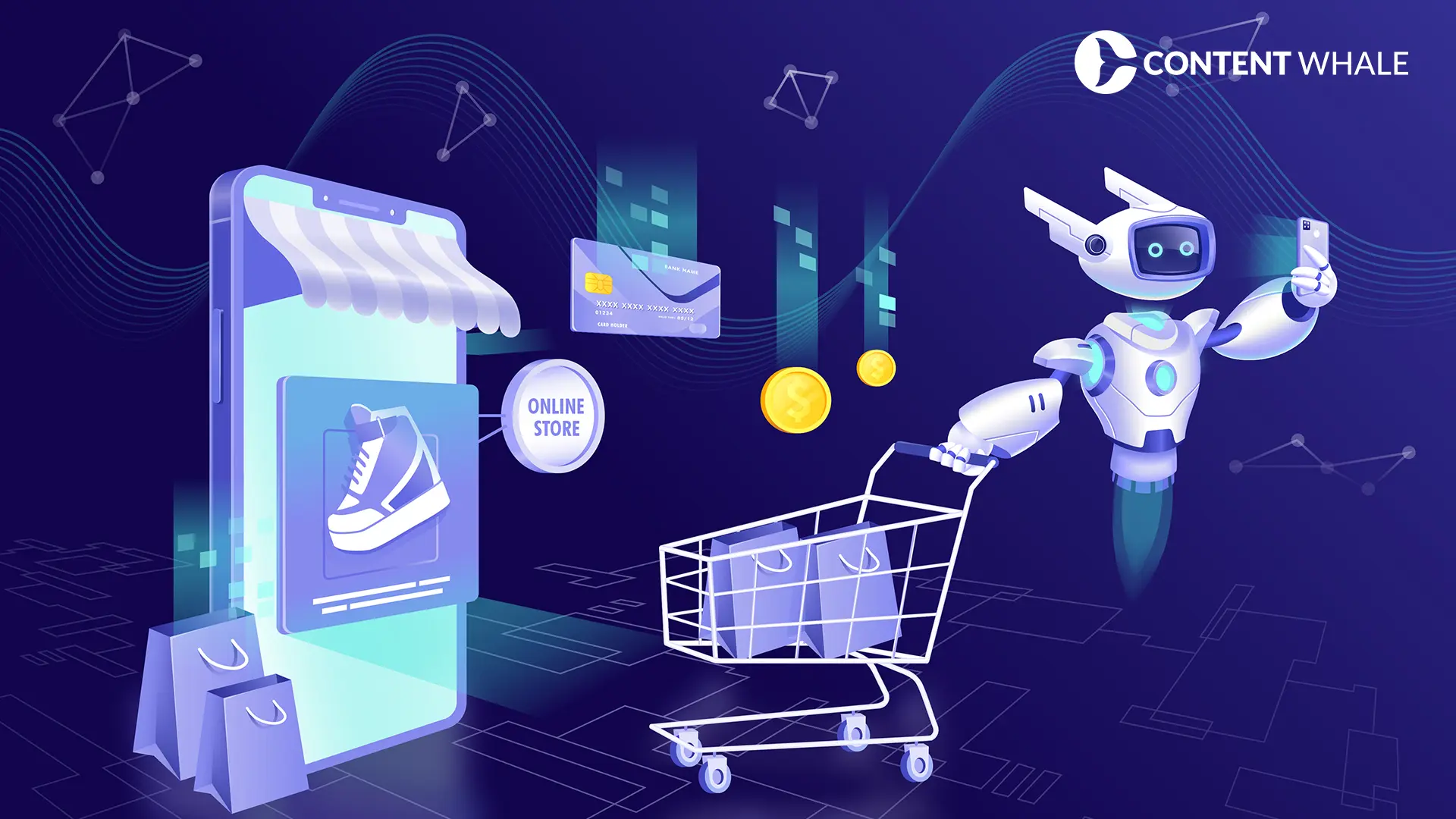
The Universal Commerce Protocol establishes a universal communication standard between AI agents and commerce platforms. Instead of requiring retailers to build custom integrations for each AI system, this Google update provides standardized language that works across multiple platforms.
Google developed the Universal Commerce Protocol in partnership with major retailers including Shopify, Etsy, Wayfair, and Target. More than 20 companies across retail and payment sectors have endorsed this Google update, indicating broad industry acceptance.
The Universal Commerce Protocol integrates with existing standards including:
- Agent2Agent for inter-agent communication
- Agent Payments Protocol for secure transactions
- Model Context Protocol for AI system compatibility
The Cart Abandonment Problem This Google Update Solves
According to research published in the Journal of Retailing and Consumer Services, the average online shopping cart abandonment rate ranges between 60-80% across different product categories, with complex checkout processes identified as a primary contributing factor.
The Universal Commerce Protocol addresses this challenge by eliminating external checkout pages. Shoppers complete purchases directly within Google Search or Gemini using saved payment and shipping information through Google Pay, with PayPal integration planned for future release.
Research from the International Journal of Information Management indicates that reducing checkout steps from five to three can increase conversion rates by up to 35.26%.
How AI Shopping Works with This Google Update
When researching products in AI Mode on Google Search or the Gemini app, users can now complete purchases without leaving the interface. This Google update pulls saved payment credentials and shipping addresses, reducing checkout to a single confirmation step.
The Google update enables seamless AI shopping by integrating payment processing directly into search results, transforming how consumers interact with online retail.
Business Agent: Virtual Sales Representatives
This Google update introduces Business Agent, a branded AI assistant that represents retailers directly on Search. The tool answers shopper questions in the retailer’s voice during high-intent AI shopping moments.
Launch partners for this Google update include:
- Lowe’s
- Michael’s
- Poshmark
- Reebok
Future versions of this Google update will support deeper customization, brand-specific data training, and complete agent-led checkout capabilities for AI shopping experiences.
Direct Offers: AI-Powered Discount Targeting
Direct Offers represents a new component of this Google update within AI Mode. The system surfaces exclusive discounts when AI detects high purchase intent based on user behavior analysis.
According to a study in Electronic Commerce Research and Applications, personalized promotional timing increases purchase likelihood by 42% compared to generic discount strategies (Source).
This new update plans to expand Direct Offers beyond discounts to include product bundles, free shipping offers, loyalty program benefits, and value-based incentives for AI shopping.
Why This Google Update Matters for Consumers
Streamlined Purchase Experience
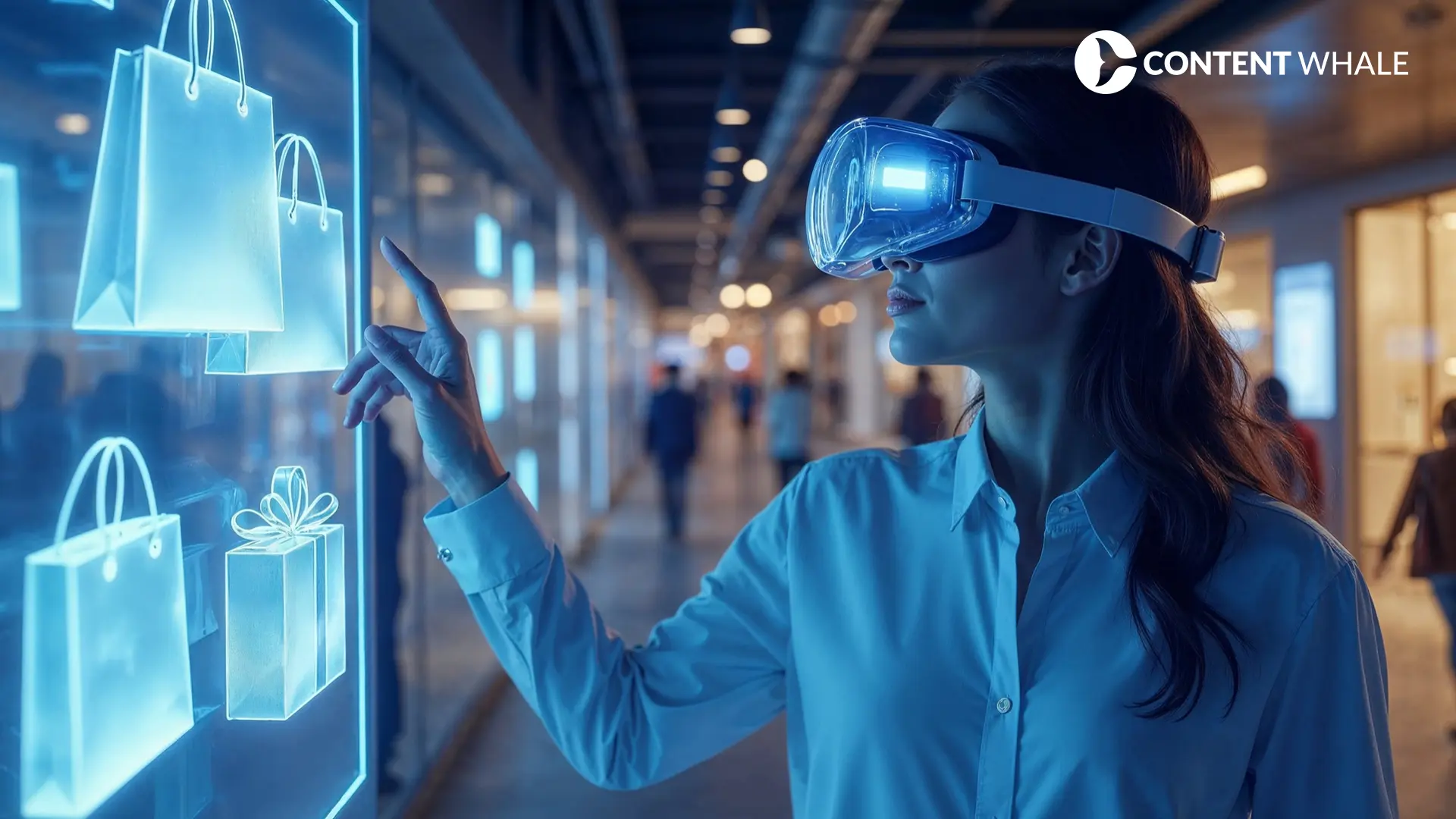
The integration of checkout functionality directly into Search and Gemini removes multiple steps from AI shopping. This Google update eliminates the need to create accounts on multiple retailer sites, re-enter payment information for each purchase, or navigate away from research contexts to complete transactions.
Research published in Computers in Human Behavior found that reduced cognitive load during online shopping correlates with 28% higher purchase completion rates (Source).
Consolidated Product Research
Business Agent, introduced through this Google update, provides immediate answers to product questions without requiring visits to multiple retailer websites. This consolidation saves time during AI shopping research phases while maintaining access to brand-specific information.
Personalized AI Shopping Assistance
AI agents within this Google update analyze shopping behavior, preferences, and historical purchases to provide contextually relevant recommendations. The Universal Commerce Protocol enables these systems to learn from user interactions and improve suggestion accuracy over time.
A study in the Journal of Business Research demonstrates that AI-powered personalization in e-commerce increases customer satisfaction scores by 33% and purchase frequency by 25% (Source).
What This Google Update Means for Online Retailers
Retailers face fundamental changes in how they reach customers through this Google update. The Universal Commerce Protocol positions AI agents as intermediaries between brands and shoppers, potentially reducing direct traffic to retailer websites.
Research from Industrial Marketing Management indicates that platform-mediated commerce reduces retailer control over customer experience by an average of 47% compared to direct channel sales.
Standardized Integration Requirements
The Universal Commerce Protocol provides retailers with standardized integration rather than requiring custom development for multiple AI platforms. This Google update reduces technical complexity and implementation costs for commerce businesses.
This Google update allows retailers to customize integration approaches, implement loyalty programs within the framework, maintain product recommendation systems, and create branded experiences in AI shopping interfaces.
Data Ownership Challenges
When purchases occur within Google’s interface through this update, retailers have less direct interaction with customers and potentially reduced access to first-party data.
A study published in the Journal of Marketing found that retailers lose access to approximately 62% of customer behavioral data when transactions occur on third-party platforms compared to owned channels.
The Broader Shift Toward Agentic Shopping
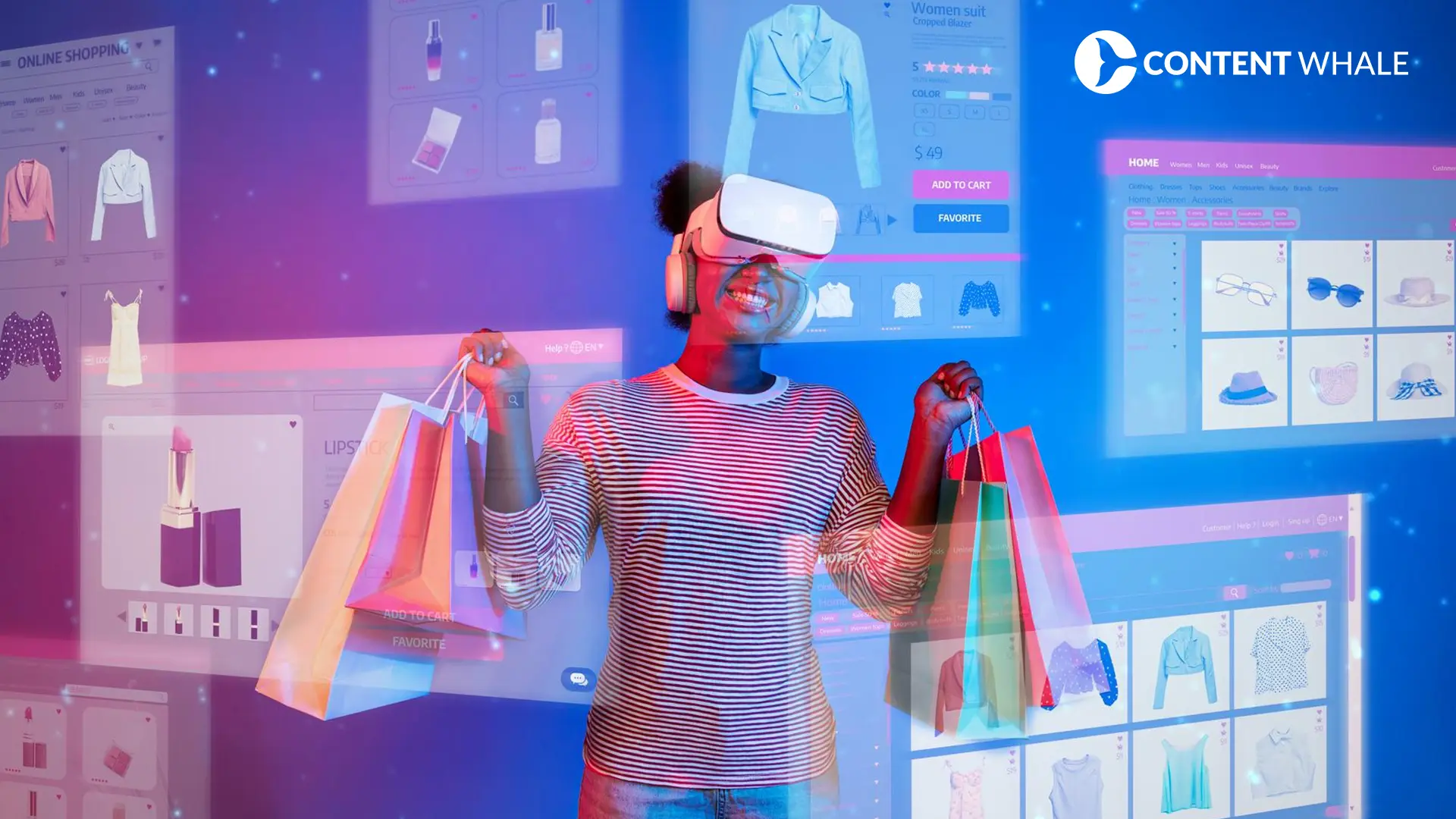
AI Agents as Purchase Intermediaries
This Google update reflects a larger trend toward agentic shopping, where AI systems handle purchase decisions on behalf of users. The Universal Commerce Protocol enables AI agents to recommend, evaluate, and complete purchases based on user preferences.
Research in Decision Support Systems projects that AI agent-mediated purchases will account for 38% of total e-commerce transactions by 2030, representing a fundamental shift in consumer buying behavior (Source).
Open Standard Approach
The Universal Commerce Protocol’s open standard approach differs from closed ecosystem models. By establishing this update as an industry standard rather than proprietary system, Google encourages widespread adoption across retailers and platforms for AI shopping.
Impact on Traditional E-Commerce Models
Traditional e-commerce relies on driving traffic to retailer websites where businesses control customer experience. This Google update challenges this model by inserting AI agents between customers and retailers through the Universal Commerce Protocol.
According to research in Technological Forecasting and Social Change, platform-mediated commerce models reduce direct retailer-consumer interactions by 54% on average, fundamentally altering brand relationship dynamics (Source).
How Payment Systems Integrate with This Update
The Universal Commerce Protocol incorporates the Agent Payments Protocol, enabling secure transactions within AI shopping interfaces. This Google update leverages existing payment infrastructure rather than creating new payment methods.
Google Pay serves as the primary payment method for this Google update, using saved payment credentials to streamline AI shopping checkout. PayPal integration expands options for users preferring alternative payment methods.
Research published in Electronic Commerce Research indicates that offering multiple payment options increases checkout completion rates by 31% compared to single-payment-method systems.
Multi-Provider Payment Support
The Universal Commerce Protocol supports multiple payment providers, allowing retailers to offer preferred payment options within this Google update framework. This flexibility addresses concerns about payment ecosystem lock-in for AI shopping.
Privacy and Data Considerations
When shoppers complete purchases through Google’s AI shopping interfaces enabled by this Google update, the company collects transaction data, product preferences, and shopping behavior information. This data enhances Google’s understanding of consumer intent and improves targeting capabilities within the Universal Commerce Protocol.
Retailer Data Sharing Requirements
Retailers participating in this Google update must share product information and inventory data with Google’s systems. The level of data sharing and terms of data usage shape retailer adoption decisions for the Universal Commerce Protocol.
A study in Information & Management found that 68% of retailers express concerns about customer data access when participating in third-party commerce platforms (Source).

Preparing for AI-Driven Commerce
Businesses should evaluate how this Google update affects customer acquisition strategy. As more purchases occur within AI shopping interfaces enabled by the Universal Commerce Protocol, traditional marketing channels may decline in effectiveness.
Optimizing product information for AI agents through this Google update differs from traditional SEO. Critical elements include structured product data, detailed specifications, clear pricing information, inventory availability, and customer review integration.
Research in Journal of Interactive Marketing demonstrates that structured data implementation increases AI agent product selection probability by 47%.
Early Adoption Advantages
According to research published in Strategic Management Journal, companies implementing AI commerce protocols in early adoption phases achieve 23% higher market share growth compared to late adopters (Source).
What Comes Next for AI Shopping
The success of this Google update depends on retailer adoption, consumer acceptance, and the Universal Commerce Protocol’s ability to deliver superior AI shopping experiences compared to traditional e-commerce.
Competing standards from Amazon, Meta, and other platforms may emerge, potentially fragmenting the AI shopping landscape. The open nature of this Google update positions it for industry-wide adoption, but market dynamics remain uncertain.
Consumer Acceptance of Agent-Led Purchasing
The balance between convenience and control shapes how shoppers respond to agent-led purchasing enabled by this Google update. Some consumers prefer AI shopping assistance, while others maintain preferences for direct retailer interactions.
Research in Psychology & Marketing indicates that 64% of consumers express willingness to use AI agents for routine purchases, while 71% prefer direct interaction for high-involvement purchases (Source).
Conclusion
The Universal Commerce Protocol represents Google’s comprehensive vision for AI-driven online shopping. By establishing an open standard that enables seamless transactions within AI interfaces, this new update fundamentally changes where and how purchase decisions occur in AI shopping experiences.
For consumers, this recent update promises reduced friction in the buying process, personalized AI shopping assistance, and consolidated product research. For retailers, the update requires strategic adaptation to maintain brand relationships and customer access as AI agents increasingly mediate commerce interactions through the Universal Commerce Protocol.
Ready to adapt your e-commerce strategy for AI-driven commerce? Contact Content Whale to develop a comprehensive approach that maintains your brand presence and competitive advantage in the age of agent-led shopping powered by this Google update.
Frequently Asked Questions
What is the Universal Commerce Protocol in this Google update?
The Universal Commerce Protocol is an open standard introduced through this recent update that allows AI agents to manage complete shopping journeys, from product discovery through checkout and support. It creates standardized communication between AI systems and commerce platforms, enabling AI shopping purchases directly within Google Search and Gemini without custom integrations.
How does this Google update change the checkout process for AI shopping?
This Google update eliminates external checkout pages by integrating purchase completion directly into Google Search and Gemini for AI shopping. Shoppers use saved Google Pay credentials and shipping information to complete transactions in a single step through the Universal Commerce Protocol, removing the need to navigate to retailer websites or re-enter payment details.
What is Business Agent in this Google update?
Business Agent is a branded AI assistant introduced through this update that represents retailers directly on Google Search for AI shopping experiences. It answers product questions in the retailer’s voice during high-intent shopping moments, providing immediate information without requiring users to visit retailer websites. Future versions of this Google update will support agent-led checkout capabilities.
Will this Google update reduce traffic to retailer websites?
Yes, this update will likely reduce direct traffic to retailer websites since AI shopping purchases can be completed within Google’s interfaces through the Universal Commerce Protocol. Retailers face decreased control over customer experience and potentially limited access to first-party data when transactions occur on Google platforms rather than owned channels.
How does Direct Offers work in this Google update?
Direct Offers is a new Google Ads format introduced through this recent update that surfaces exclusive discounts within AI Mode for AI shopping when the system detects high purchase intent. The feature delivers personalized promotions at precisely timed moments during the shopping journey, with plans to expand beyond discounts to include bundles and free shipping.

![Top 15 Content Writing Agencies in India [Verified for 2026]](https://content-whale.com/blog/wp-content/uploads/2026/05/top-15-content-writing-agencies-in-india-verified-for-2026.webp)



 Content Whale – USA


