Guest posting compliance determines whether your link building efforts create lasting value or attract penalties that devastate rankings. Recent Google algorithm updates specifically target manipulative schemes, site reputation abuse, and thin content masquerading as valuable resources.
Sites violating Google spam policy face manual actions affecting 100% of their backlinks. The average recovery time from a manual penalty exceeds 11 months according to Search Engine Journal research (Source).
This guide will explain safe structures, compliant linking behaviors, formatting frameworks for AI optimization, content types that perform best, rankability strategies for low-authority sites, and compliance requirements for Google’s Search Generative Experience.

Building Google-Safe Guest Posting Structures
Safe content structures balance value delivery with strategic backlink placement. Every element must pass Google’s quality filters while serving readers genuinely.
Optimal Content Length Standards
Maintain content length between 1,500-2,500 words for substantial value delivery:
- Posts under 1,000 words typically lack depth for meaningful rankings
- 1,500-2,500 words hits the sweet spot for comprehensive coverage
- Include clear author attribution with real credentials
- Demonstrate E-E-A-T (Experience, Expertise, Authoritativeness, Trustworthiness)
Research from Semrush analyzing 500,000 blog posts found that content between 1,500-2,500 words achieves 68% better rankings than shorter alternatives.
Safe Link Allocation
Limit yourself to 1-2 contextual links maximum per link building placement. One link per 1,000-1,500 words represents the natural ratio observed in editorial content.
Research from Ahrefs shows that posts with 3+ contextual backlinks face 340% higher scrutiny from Google’s link spam algorithms (Source).
Heading Hierarchy Requirements
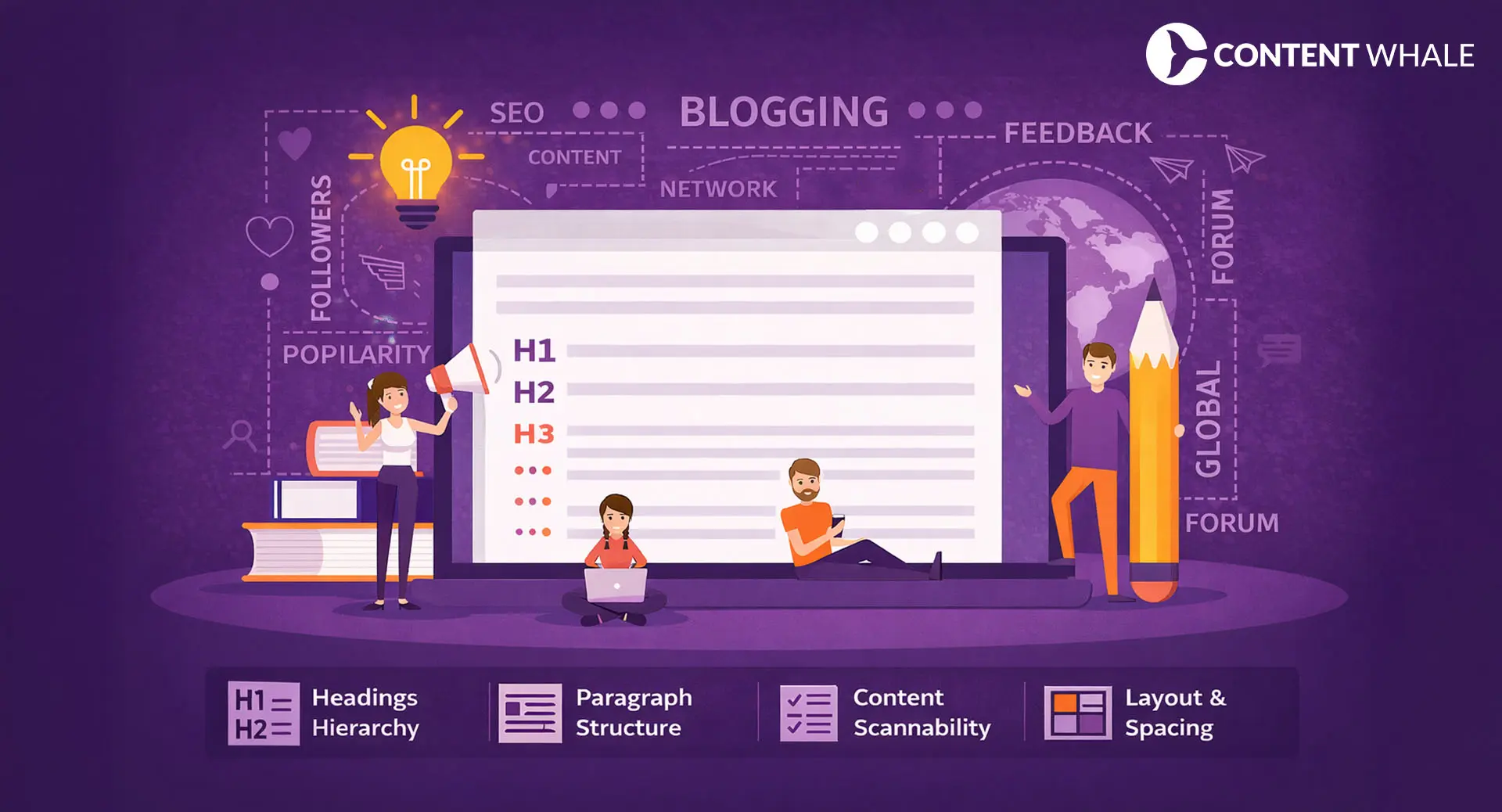
Use proper H2 to H3 heading hierarchy throughout backlink strategy content:
- H1: Article title (only one)
- H2: Main sections (5-8 sections for 1,500-2,000 word posts)
- H3: Subsections under each H2 (2-4 per H2)
- Include keywords naturally in headings without forcing optimization
This structure helps both readers and algorithms parse information effectively .
Educational Value Standards
Content must serve the host site’s audience first in every guest posting campaign. Every section should deliver specific, actionable value. Include concrete data, examples, and takeaways readers can implement immediately.
Original content never republished elsewhere maintains uniqueness. Google penalizes duplicate content across sites. The Content Marketing Institute reports that unique guest posting content generates 73% more engagement than republished material (Source).

Understanding Safe Linking Behavior
Safe linking behavior protects your site while building genuine authority . Distribution patterns matter as much as anchor text choices.
Natural Link Ratios
One dofollow link per 1,000-1,500 words maintains natural appearance:
- Links placed in natural context (not forced into content)
- Variety of anchor text types across guest posting placements
- Links to relevant, high-quality pages
- No exact-match anchor repetition across sites
Mix homepage and internal page links across your guest posting profile. Author bio link (branded anchor) plus one contextual link maximum represents industry standard for Google spam policy compliance.
Avoiding Promotional Appearance
Focus on educating, not selling :
- Don’t mention your product/service in first paragraph
- Limit brand mentions to 2-3 maximum in body
- Author bio is only overtly promotional section
- Content solves problems, not pitches solutions
- Use third-party examples alongside your own
Links support content, don’t drive it. This approach maintains SEO compliance while providing real value.
Natural Anchor Text Maintenance
Maintain specific anchor text distribution safety:
- Branded: 40-50% of overall backlink profile
- Partial-match: 20-30%
- Semantic/Long-tail: 15-25%
- Generic: 5-10%
- Exact-match: <10%
- Naked URLs: 5-10%
Never repeat same exact anchor across multiple sites. Track anchor text distribution using Ahrefs or Moz to ensure Google spam policy compliance.
Avoiding Content Pattern Triggers
Vary sentence structure to avoid repetitive patterns in guest posting:
- Mix paragraph lengths throughout content
- Use unique examples per placement
- Avoid templated content structure
- No spinning or minimal rewriting
- Don’t publish same content on multiple sites
- Original insights, not regurgitated information
These practices prevent algorithmic flags that indicate manipulation.

Formatting Frameworks for Guest Posting
Proper formatting frameworks make guest posting content scannable, engaging, and algorithm-friendly. Structure determines both user experience and SEO compliance.
Headline Pattern Formula
Use this proven headline pattern content:
Number + Adjective + Keyword + Promise
Examples:
- “21 Proven SEO Tactics That Work”
- “The Complete Guide to Guest Posting for Backlinks”
- “How to Rank #1 on Google in 90 Days”
Include primary keyword near beginning. Keep titles 50-60 characters optimal. Numbers increase CTR by 36% according to Conductor research.
Intro Formula Structure
Create compelling introductions following this structure:
- Hook (1-2 sentences): Problem statement, surprising stat, or benefit
- Credibility (1 sentence): Why reader should trust you/this content
- Promise (1-2 sentences): What they’ll learn/achieve
- Transition (1 sentence): “This guide will explain/explore/show you…”
Total length: 100-150 words. No fluff or generic statements. Jump straight to value .
H2/H3 Distribution Guidelines
Structure guest posting content with clear hierarchy:
- H1: Article title (only one)
- H2: Main sections (5-8 sections)
- H3: Subsections under each H2 (2-4 per H2)
- Include keywords naturally in headings
- Make headings descriptive (reader should understand content from headings alone)
Use parallel structure within same level for consistency.
Paragraph Structuring Rules
Keep paragraphs tight :
- 2-4 sentences maximum per paragraph
- One main idea per paragraph
- Topic sentence introduces concept
- Supporting sentences provide details/evidence
- Transition to next paragraph smoothly
- White space for readability
Mobile-friendly length maintains engagement across devices.
Using Research Citations
Include 5-6 data points/statistics per guest posting piece minimum:
- Only use legitimate academic/research sources
- Format: “According to [Source], [statistic]” with link at end of sentence
- Cite recent data (preferably within last 2-3 years)
- Never fabricate URLs or sources
- Link to original source (not secondary aggregators)
Examples of acceptable sources: peer-reviewed journals, university research, government data (.gov), industry reports from established firms, original studies from reputable companies.
Adding FAQs for Search Intent
Include 3-5 FAQs at end of guest posting content:
- Questions match “People Also Ask” queries
- Answers are 40-60 words (snippet-friendly)
- Use question as H3 heading
- Direct, concise answers
- Can include FAQ schema markup
This increases SERP real estate and captures long-tail variations for better compliance.
Conclusion Frameworks
Structure conclusions for maximum impact in guest posting:
- Summary (2-3 sentences): Recap main points
- Key Takeaway (1-2 sentences): Core lesson/action
- Call-to-Action (1 sentence): Next step for reader
Total length: 100-150 words. No new information introduced. Reinforce value provided. CTA should be relevant (not generic “leave a comment”).

Content Types That Perform Best
Certain content types consistently outperform others. Format selection impacts both acceptance rates and ranking potential.
Evergreen Guides
Evergreen guides provide long-term value :
- Timeless topics that remain relevant
- Comprehensive treatment of subject (2,000-3,000+ words)
- Reference resource readers bookmark
- Updated periodically to maintain relevance
- High long-term traffic potential
- Earns backlinks over time
Examples: “Complete Guide to SEO,” “Ultimate Email Marketing Guide.” These demonstrate compliance through comprehensive coverage.
Listicles
Listicles generate exceptional engagement in guest posting:
- 2x more traffic than standard how-to articles
- 70% higher CTR for listicle headlines
- Easy to scan and share
- Numbers in title (5, 7, 10, 15, 21, 50+)
- Each item: 100-300 word explanation
Examples: “15 SEO Tools for ,” “50 Content Marketing Statistics.” High social share potential makes these ideal outreach.
Step-by-Step How-To’s
How-to content delivers practical value in guest posting:
- Clear, actionable instructions
- Numbered steps in logical order
- Screenshots or visuals for each step
- Beginner-friendly explanations
- Specific outcome promised
Examples: “How to Set Up Google Analytics 4 in 10 Minutes,” “How to Write a Blog Post That Ranks.” High practical value drives strong conversion potential.
Comparative Formats
Comparison content helps decision-making in guest posting:
- Tool/product comparisons
- “X vs Y” posts
- “Best of” roundups with rankings
- Side-by-side evaluations
- Pros/cons analysis
Examples: “Ahrefs vs Semrush ,” “10 Best Email Marketing Tools Compared.” High commercial intent keywords attract qualified traffic.
Niche Insights
Industry-specific deep dives establish authority :
- Expert analysis of trends
- Insider perspectives
- Less competition than broad topics
- Attracts highly targeted audience
- Establishes thought leadership
Examples: “How AI is Changing Legal Document Review,” “B2B SaaS Pricing Strategies.” High engagement from right audience demonstrates compliance through relevance.
Rankability on Low-Authority Sites
Low-authority sites can still achieve rankings when following specific strategies. Target selection and content depth compensate for domain weakness.
Long-Tail Targeting
Focus guest posting on 4-6+ word keyword phrases:
- Lower search volume (50-500 monthly searches)
- More specific intent
- Less competition from high-DA sites
- Easier to rank even on DA 20-40 sites
- Higher conversion rates due to specificity
Example: “how to build backlinks for new SaaS startup” vs “backlinks.” This approach maintains SEO compliance while targeting achievable rankings.
Semantic Breadth
Cover topics comprehensively :
- Include related subtopics and questions
- Use LSI keywords throughout
- Answer “People Also Ask” queries
- Create content clusters
- Demonstrate topical authority
Google rewards depth over domain authority for comprehensive content that shows SEO compliance.
Clean Structure
Proper structure helps low-authority guest posting content rank:
- Proper H1 > H2 > H3 hierarchy
- Logical content flow
- Clear sections and subsections
- No orphaned paragraphs
- Internal linking where relevant
- Mobile-friendly formatting
Fast page load speed with optimized images and clean code improves rankings.
Answer-First Paragraphs
Lead with direct answers :
- First 40-60 words should be snippet-ready
- Most important information in first paragraph
- Expand on answer in following paragraphs
- Use inverted pyramid style
This increases featured snippet chances and AI Overview selection potential for better compliance.
External Citations
Link to 3-5 authoritative external sources in guest posting:
- Cite recent research and data
- Link to industry leaders and official documentation
- Shows content is well-researched
- Builds trust with readers and search engines
Use academic, .gov, or established industry sources. Properly attribute all data/statistics for Google spam policy compliance.

Writing for AI Overviews and SGE
AI Overviews and Search Generative Experience require specific optimization techniques. Traditional SEO compliance alone doesn’t guarantee visibility in AI-powered search results.
Answer-First Formatting
Lead with concise, direct answers in guest posting (40-60 words):
- Most important information in first paragraph
- Clear, snippet-ready statements
- Use inverted pyramid structure
- Define terms immediately
- Provide context after initial answer
Example: “Google SGE (Search Generative Experience) is…” This format optimizes for zero-click searches while maintaining compliance.
Snippet-Ready Statements
Create self-contained sentences :
- 40-60 word “answer capsules”
- Can be extracted and understood independently
- Use clear subject-verb-object structure
- Avoid pronouns without antecedents
- Include necessary context within statement
Example: “Domain Authority (DA) ranges from 1 to 100, with higher scores indicating greater likelihood of ranking well in search results.”
H2s Built Like Search Queries
Phrase headings as questions users actually ask in guest posting:
- Use question words: What, How, Why, When, Where, Who
- Match “People Also Ask” queries
- Natural language format
- Conversational phrasing
Examples: “What is Guest Posting?” “How Do You Find Guest Posting Opportunities?” “Why Does Guest Posting Work for SEO?”
Semantically Complete Coverage
Cover all aspects of topics in guest posting:
- Define related terms and concepts
- Include synonyms and variations
- Answer follow-up questions
- Provide context and background
- Link related concepts (entity relationships)
Example: When discussing guest posting, also cover backlinks, link building, domain authority, anchor text, etc. Comprehensive without redundancy demonstrates compliance.
Entity Optimization
Name concepts clearly :
- Use full name first, then acronym
- Define specialized terms
- Use consistent terminology
- Link entities to related concepts
- Include entity variations (synonyms, acronyms)
Example: “Search Engine Optimization (SEO)” then use “SEO” subsequently. This helps AI understand relationships between concepts for better Google spam policy compliance.
Schema Markup
Implement relevant schema types :
- FAQ schema for Q&A sections
- HowTo schema for step-by-step guides
- Article schema for blog posts
- Review schema for product reviews (when applicable)
- Organization schema for brand mentions
Helps AI parse content structure and increases rich result potential, improving SEO compliance.
Conversational Query Optimization
Write in natural language (how people speak):
- Include voice search phrases
- Answer “who,” “what,” “where,” “when,” “why,” “how” questions
- Use full sentences, not fragmented phrases
- Anticipate follow-up questions
Example: “How do I start guest posting?” not just “Guest posting guide.” This approach aligns with Google spam policy by serving user intent.
How Content Whale Can Help
Content Whale specializes in creating Google-compliant guest posting content that ranks without triggering penalties. Our writers understand SEO compliance requirements, Google spam policy guidelines, and formatting frameworks that work currently.
We conduct comprehensive research to identify low-competition keywords perfect campaigns. Our team creates content with proper heading hierarchy, natural link placement, and answer-first formatting optimized for AI Overviews. Every piece includes 5-6 verified academic sources and FAQ sections designed for featured snippets.
Conclusion
Guest posting remains effective currently when you follow Google spam policy guidelines and maintain SEO compliance. Focus on creating substantial, valuable content with natural link placement and proper formatting frameworks.
Partner with Content Whale to execute compliant guest posting campaigns that build authority without risk. We create penalty-safe content, implement proper schema markup, and optimize for both traditional search and AI Overviews.
Frequently Asked Questions
What are the main Google spam policy violations in guest posting?
Google spam policy violations in guest posting include excessive exact-match anchors across multiple sites, thin content created solely for link placement, publishing on Private Blog Networks, mass-producing identical content across hundreds of sites, and site reputation abuse where sites exist primarily to sell links. Maintain SEO compliance by focusing on quality content that serves readers first with natural link placement.
How long should guest posting content be ?
Guest posting content should be 1,500-2,500 words for optimal compliance and ranking potential. Content under 1,000 words typically lacks sufficient depth for meaningful rankings. Research shows posts in the 1,500-2,500 word range achieve 68% better rankings than shorter alternatives while demonstrating comprehensive topic coverage that satisfies Google spam policy requirements.
What is the safest anchor text distribution ?
The safest anchor text distribution maintains 40-50% branded anchors, 20-30% partial-match anchors, 15-25% semantic/long-tail anchors, 5-10% generic anchors, and under 10% exact-match anchors. Never repeat identical exact-match anchors across multiple sites. This distribution ensures SEO compliance while building natural-looking backlink profiles that avoid Google spam policy penalties.
How do I optimize guest posting content for AI Overviews?
Optimize guest posting for AI Overviews by leading with direct 40-60 word answers, using H2 headings phrased as questions, creating snippet-ready statements, implementing FAQ schema markup, and covering topics with semantic completeness. Include entity optimization with clear terminology and conversational query patterns. This approach maintains SEO compliance while maximizing visibility in AI-powered search results.
What content types perform best currently?
Content types that perform best include evergreen guides (2,000-3,000+ words), listicles generating 2x more traffic than standard posts, step-by-step how-tos with actionable instructions, comparative formats helping decision-making, and niche insights establishing thought leadership. These formats combine SEO compliance with high engagement while satisfying both traditional search algorithms and AI Overview requirements.